
You’ve probably seen the words “No Animals Were Harmed” in the credits of a movie or have heard the saying. But have you ever wondered what that really means or who makes sure animal actors are treated humanely during filming?
From beloved classics like Free Willy and Homeward Bound to modern blockbusters like Wuthering Heights, animals have played unforgettable roles in some of our favorite films. Behind many of those performances is American Humane Society’s No Animals Were Harmed® program, which has worked to protect animal actors in film and television since 1940.
Quick Answer: What Does “No Animals Were Harmed” Mean?
The No Animals Were Harmed® end-credit certification means a production met American Humane Society’s science-based standards for the humane treatment of animal actors during filming. Through independent on-set monitoring and a review of the completed production, the program helps protect animals involved in filmed entertainment.
How Are Animals Protected During Filming?
Movie scenes can make animals appear to be in dangerous or stressful situations, even when the action has been carefully planned to protect them.
American Humane Society’s No Animals Were Harmed program works with filmmakers before, during and after production to promote animal safety and well-being.
The certification process includes:
- Before filming: Reviewing scripts, evaluating planned animal action and helping production teams prepare for scenes involving animals.
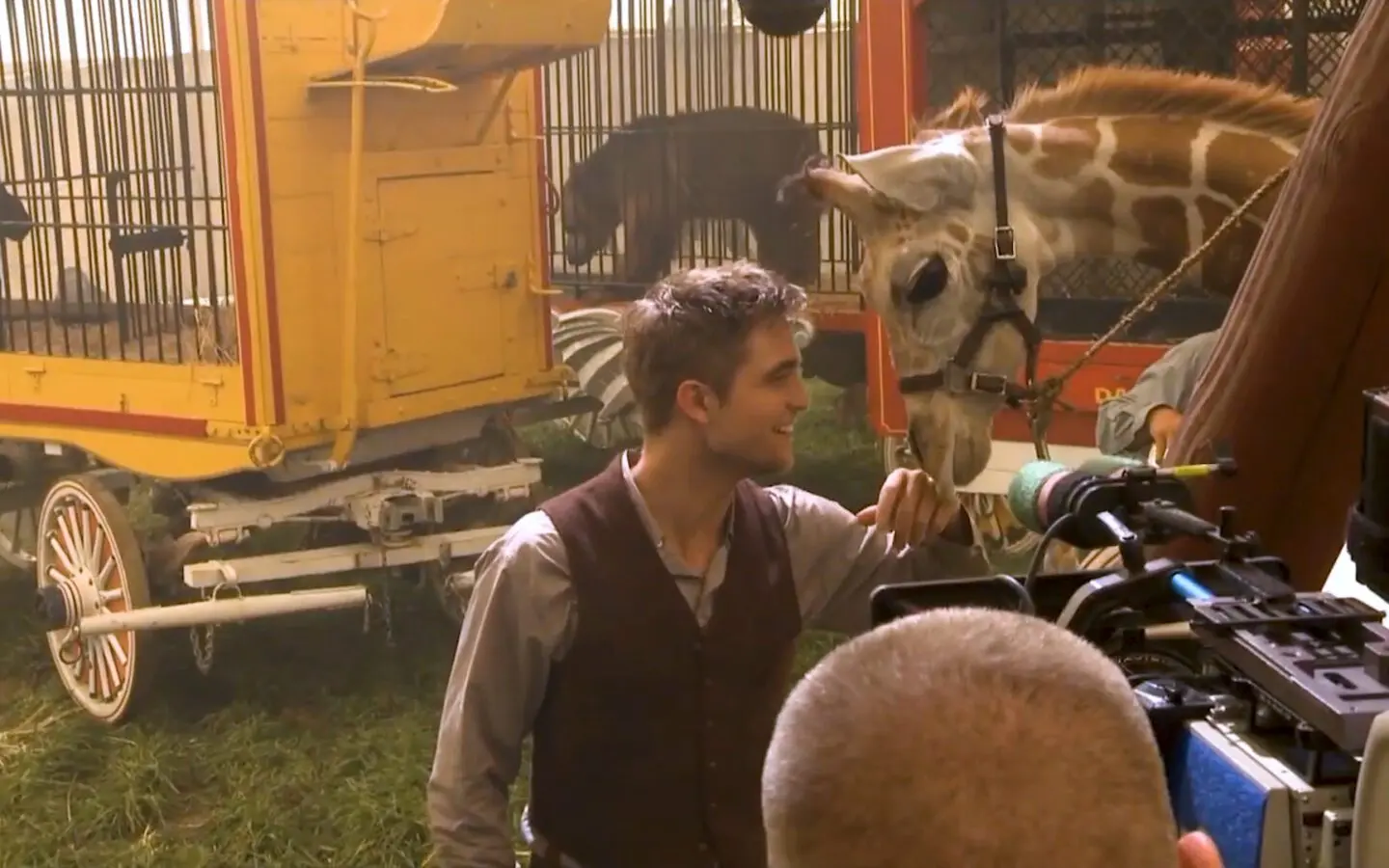
- During filming: Trained Certified Animal Safety Representatives monitor animal action on set, working with handlers and production crews to promote humane treatment.
- After filming: American Humane Society reviews the completed production and on-set reports to determine whether the production qualifies for certification.
The program follows comprehensive, science-based guidelines addressing animal handling, housing, transportation, rest, veterinary care and other aspects of animal welfare.
This independent oversight is especially important because animals cannot advocate for themselves. By having trained professionals monitor animal action, American Humane Society helps ensure animal welfare remains a priority throughout production.
In 2025 alone, the program monitored more than 1,000 productions across 30 countries, helping protect approximately 100,000 animals.
Famous Movies Featuring Animal Actors
Some of the most memorable moments in movie history involve animals. These films are also among the most visited productions in American Humane Society’s online film collection.
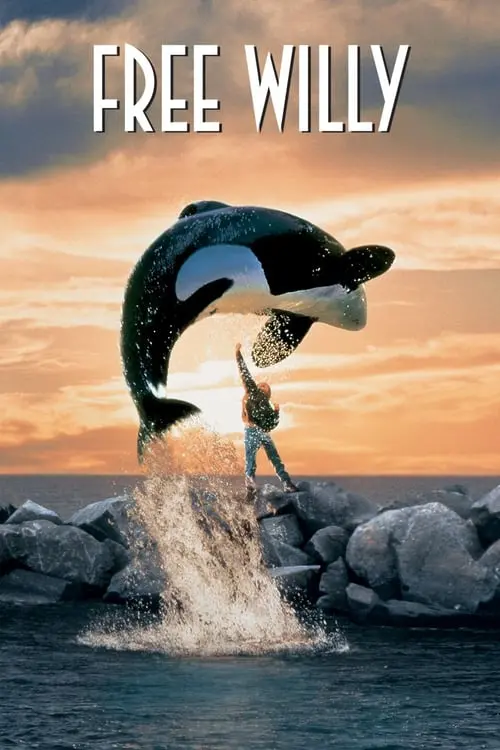
Free Willy (1993)
The story of a young boy and an orca whale remains a favorite among animal lovers. It also raises questions about how filmmakers create scenes involving large marine animals and what viewers see on screen.
Explore the film’s animal action report to learn more about its production.
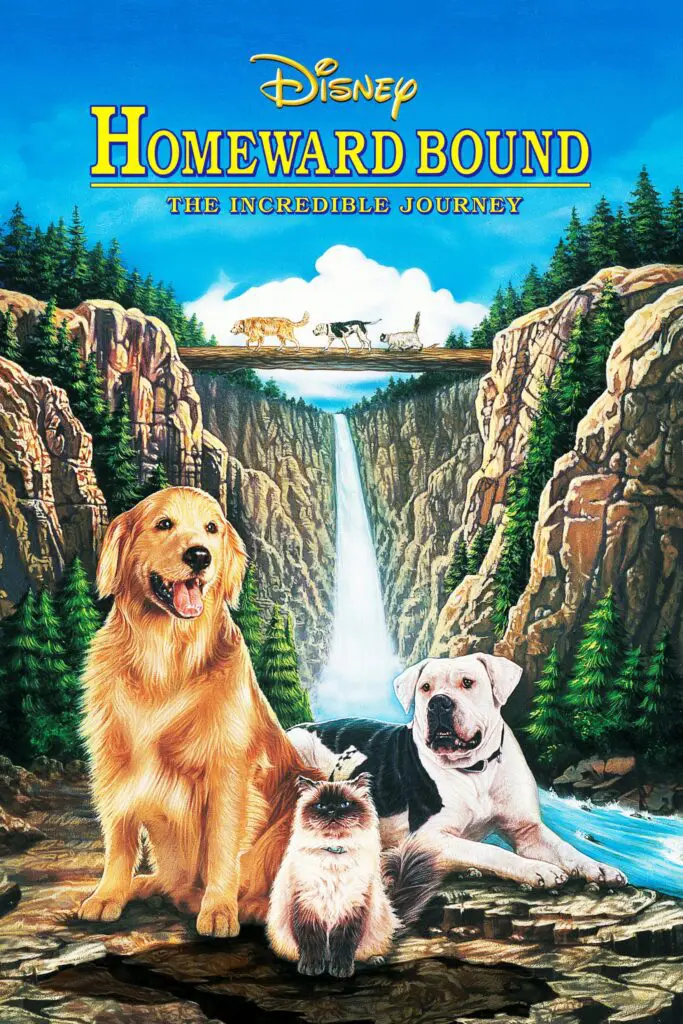
Homeward Bound: The Incredible Journey (1993)
Two dogs and a cat embark on an unforgettable adventure in this family favorite. Their journey is a reminder of how animal performances can bring powerful stories to life and why animal safety matters throughout filming.
Discover how the production’s animal action was monitored.
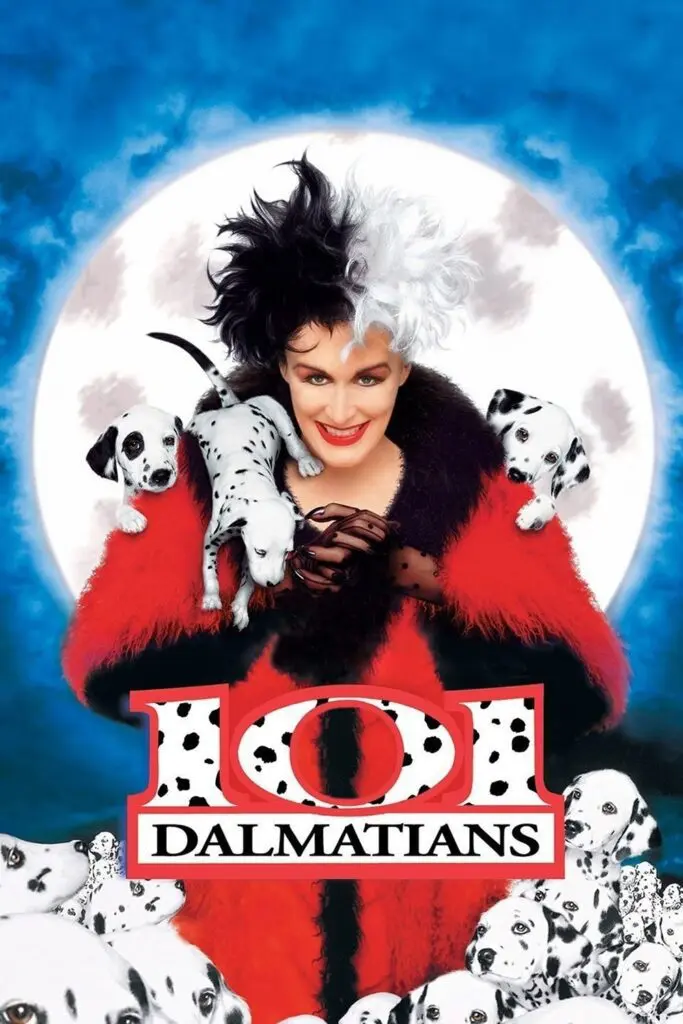
101 Dalmatians (1996)
With its cast of spotted canine stars, this beloved movie demonstrates the important role animals play in family entertainment. Productions involving multiple animals require careful coordination and attention to their individual needs.
These are just a few of the productions audiences continue to explore. From family adventures to action films and dramas, American Humane Society’s online collection offers a closer look at how animal scenes were created.
Does “No Animals Were Harmed” Mean Every Animal Scene Was Real?
Not necessarily. Filmmakers can use a combination of trained animal actors, camera techniques, computer-generated imagery (CGI), animatronics and other special effects to create convincing scenes.
American Humane Society encourages filmmakers to use alternatives to live animals when a scene could present unnecessary risks.
For viewers, certification offers a meaningful way to understand the care and oversight involved in creating animal performances.
How Can You Tell if a Movie Is Certified?
Look for the No Animals Were Harmed® designation in a film’s end credits or search American Humane Society’s online Certified Productions directory.
The directory allows viewers to search by movie title and explore information about animal action and certification status.
Certification levels can vary based on the extent of on-set monitoring. For example, Full Certification reflects comprehensive monitoring of animal action and review of the completed production, while Modified Certification indicates that some animal scenes were not monitored.
Beyond the Movies: Protecting Animals Everywhere
Protecting animal actors is just one part of American Humane Society’s mission.
For nearly 150 years, American Humane Society has been a leader in rescuing, caring for and protecting animals. From responding to disasters and helping military veterans through service dogs to advancing humane care for farm animals and protecting wildlife around the world, our work extends far beyond the movie screen.
The next time you see “No Animals Were Harmed” in the credits, remember that it’s more than a familiar phrase. It’s part of a much larger commitment to animal welfare.
Recently Certified Productions
We watch over animals in all types of productions – from independent films to streaming series to international blockbusters that bring millions of people to theaters. Explore our complete directory of Certified Productions

I Play Rocky

Street Fighter