

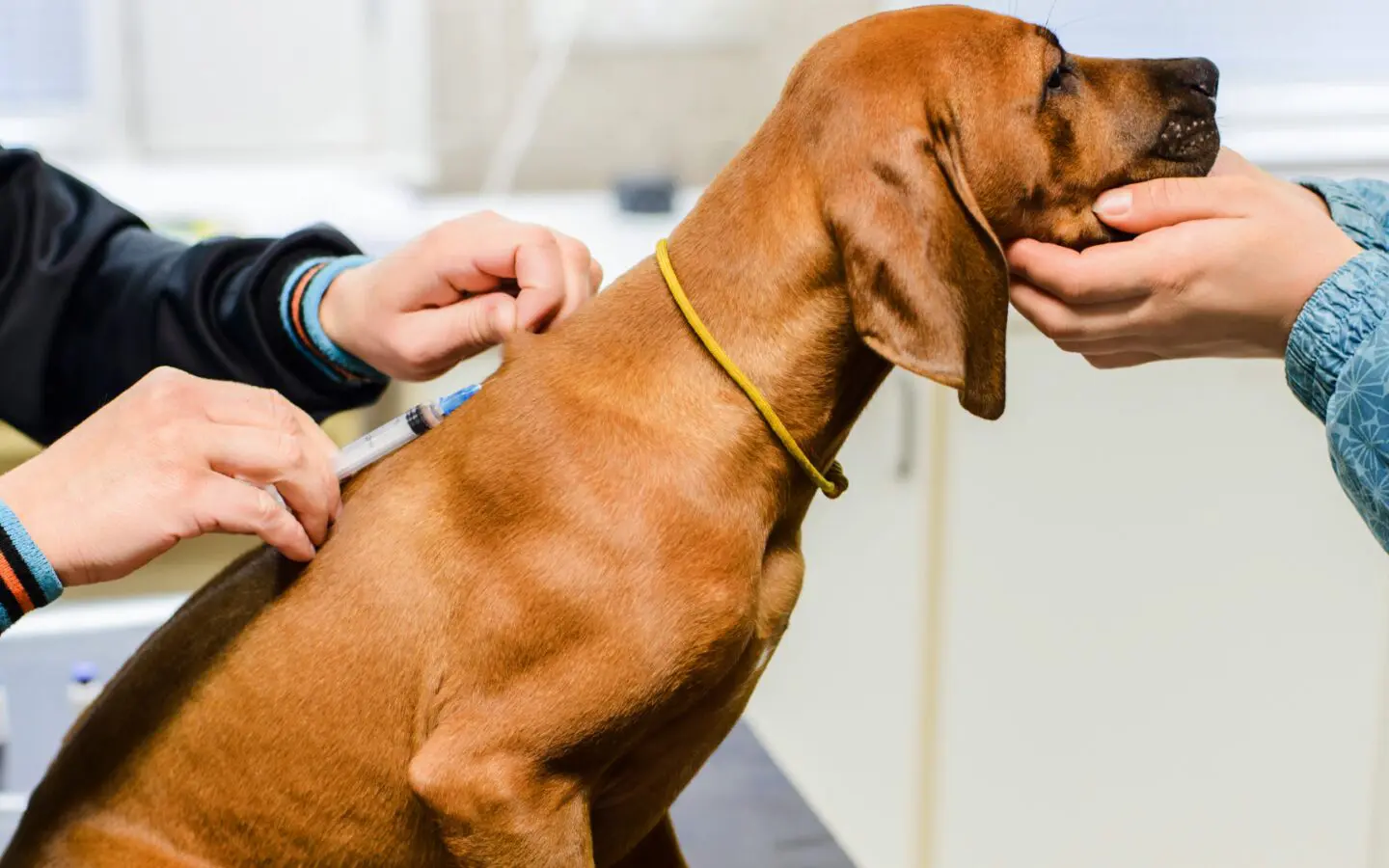
Each year, World Rabies Day, observed on Sept. 28, raises awareness about one of the world’s deadliest yet most preventable diseases. Rabies claims tens of thousands of lives every year, with the vast majority of cases occurring after exposure to infected dogs in areas where access to vaccination and medical care is limited. Fortunately, it is almost entirely preventable through vaccination, responsible pet ownership and public education.
At American Humane Society, we believe protecting animals also protects people. By promoting preventive care, strengthening the human-animal bond and encouraging communities to vaccinate their pets, we can help create a safer future for animals and the families who love them. This approach reflects the organization’s mission to rescue, care for and protect animals while advancing science-based animal welfare practices.
What is rabies?
Rabies is a viral disease that affects the central nervous system of mammals, including humans, dogs, cats, bats, raccoons, foxes and skunks. It spreads primarily through the saliva of an infected animal, most often through a bite.
Once symptoms appear, rabies is almost always fatal. The good news is that rabies can be prevented before symptoms develop through prompt medical treatment for people and routine vaccination for pets.
According to the World Health Organization (WHO):
- Rabies causes an estimated 59,000 human deaths worldwide each year
- About 99% of human rabies cases are linked to infected dogs
- Mass vaccination of dogs is the most effective way to prevent human rabies
These findings demonstrate why vaccination remains one of the most important tools for protecting both animals and people.
Why vaccinating your pet matters
Keeping your pet up to date on rabies vaccinations protects more than your own household. It helps reduce the spread of disease throughout your community and protects wildlife, veterinary professionals and animal shelter staff.
Routine vaccination also:
- Protects dogs and cats from a fatal disease
- Reduces the risk of transmission to people
- Helps communities control rabies outbreaks
- Supports local public health efforts
- May be required by state or local law
Even indoor pets should receive recommended vaccinations because unexpected encounters with wildlife can happen.
How to reduce the risk of rabies
Rabies prevention starts with everyday choices that protect your family and your pets.
For pet owners
- Keep rabies vaccinations current
- Schedule regular veterinary wellness exams
- Supervise pets when they are outdoors
- Keep dogs on a leash during walks
- Avoid allowing pets to interact with wild animals
- Report unusual wildlife behavior to local animal control authorities
For families
- Never approach unfamiliar or wild animals
- Teach children to avoid touching wildlife, even if an animal appears friendly
- Wash bite or scratch wounds immediately with soap and water
- Seek medical care right away after any potential rabies exposure
Quick action after an exposure can save lives.
Why World Rabies Day matters
Today serves as a reminder that preventing disease requires collaboration among veterinarians, public health officials, animal welfare organizations and pet owners.
Vaccination campaigns, community education and access to veterinary care have dramatically reduced rabies in many parts of the world. Continued investment in prevention helps protect both animals and people while strengthening healthier communities.
American Humane Society supports science-based approaches to animal welfare and encourages responsible pet care that helps animals live healthier, safer lives. Protecting animals from preventable diseases like rabies also protects the people who care for them.
Rabies prevention checklist
Use this simple checklist to help protect your family and your pets:
✔ Keep your pet’s rabies vaccination current
✔ Visit your veterinarian regularly
✔ Avoid contact with wild animals
✔ Supervise pets outdoors
✔ Teach children to stay away from unfamiliar animals
✔ Report animal bites promptly
✔ Seek medical attention immediately after a potential exposure
Key takeaways
- Rabies is nearly always fatal after symptoms begin but is highly preventable through vaccination.
- Vaccinating pets protects animals, people and entire communities.
- Avoiding contact with wildlife lowers the risk of exposure.
- Immediate medical care after a bite or scratch can prevent rabies from developing.
- World Rabies Day highlights the importance of global collaboration to eliminate rabies deaths.
Frequently asked questions
Yes. Although the risk is lower, indoor pets can still come into contact with infected wildlife such as bats that enter homes. Veterinarians recommend keeping rabies vaccinations current for eligible pets.
Contact your veterinarian immediately. They can evaluate your pet, determine whether a rabies booster is needed and advise you on any quarantine requirements based on local regulations.
Wash the wound thoroughly with soap and water and seek medical care immediately. A healthcare provider can determine whether post-exposure treatment is needed.
Human rabies cases are rare in the United States because of successful vaccination programs, public health measures and prompt medical treatment after exposures. Wildlife remains the primary source of rabies in the U.S.
Protecting animals protects us all
Every vaccinated pet represents another step toward preventing a disease that no family should have to face. Together we can all play a role by keeping our pets healthy, sharing accurate information and supporting science-based animal welfare practices.
Together, we can strengthen the bond between people and animals while building healthier, safer communities for everyone.