

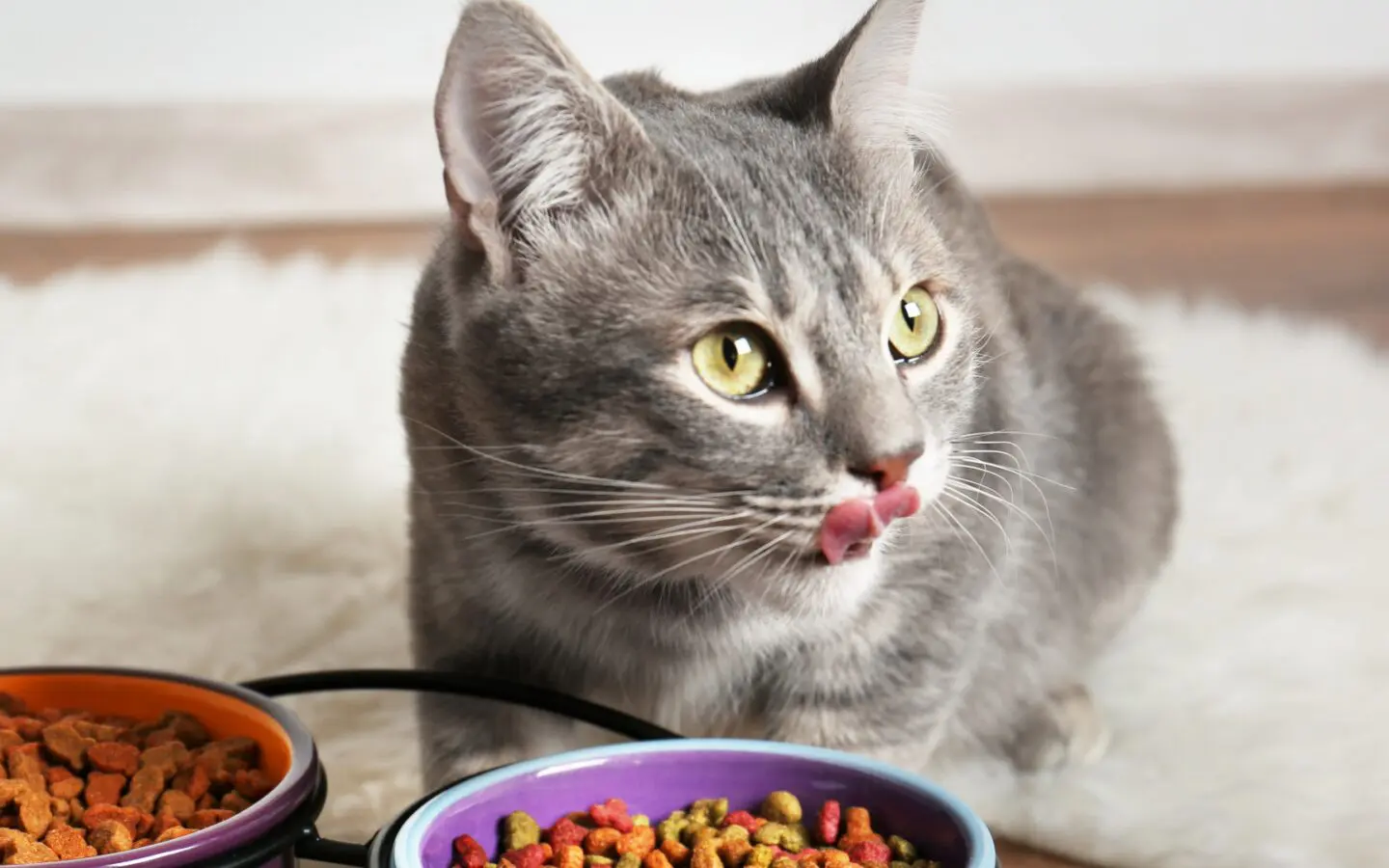
Most dogs and cats carrying extra weight look normal to the people who love them. That is the quiet problem behind pet obesity: more than half of dogs and cats in the U.S. are overweight or obese, and most owners do not realize it.
National Pet Obesity Awareness Day is a chance to look past appearances and check in on what really matters, your pet’s long-term health. Extra weight raises the risk of diabetes, joint problems and a shorter lifespan. The good news is that a few informed changes at mealtime and on walks can add years to a pet’s life.
Start With a Body Condition Score
A body condition score gives pet parents a hands-on way to assess weight that goes beyond the number on a scale. Veterinarians use a nine-point scale, and pet parents can do a simplified version at home.
- Ribs: You should be able to feel your pet’s ribs with light pressure, without pressing hard.
- Waist: Looking from above, your pet should have a visible waist behind the ribs.
- Abdomen: From the side, the belly should tuck up behind the rib cage rather than hang level with it.
If your pet fails one or more of these checks, it is worth scheduling a veterinary visit. A veterinarian can confirm whether your pet is at a healthy weight and recommend a plan if adjustments are needed.
Rethink Portions and Ingredients
Pet food labels list a range for a reason, and many pets do better closer to the lower end, especially if they are less active or already spayed or neutered. A kitchen scale or the marked cup that comes with pet food measures portions more accurately than eyeballing a scoop.
Ingredient quality matters too. Look for a named protein source near the top of the ingredient list and talk to your veterinarian about whether your pet’s current food matches their age, breed and activity level.
Treats Count More Than They Seem To
A single dog biscuit can equal a slice of pizza in relative calories for a small dog. Treats and table scraps should make up no more than 10% of a pet’s daily calories.
- Swap store-bought treats for small pieces of carrot, green beans or plain cooked chicken.
- Use a portion of your pet’s regular kibble as training treats instead of extras.
- Reserve treats for training and enrichment rather than as a daily habit.
Build Movement Into the Day
Exercise needs vary by species, breed and age, but consistency matters more than intensity. Two short walks a day for dogs, or 10 to 15 minutes of active play for cats using a wand toy or laser pointer, can make a real difference over time.
Puzzle feeders and scattered feeding also encourage cats and dogs to work for their food, adding activity to a routine that might otherwise involve a bowl and a nap.
Partner With Your Veterinarian
Weight management works best as an ongoing conversation with a veterinarian rather than a one-time fix. Annual or semiannual visits allow for weight tracking over time, and a veterinarian can rule out medical causes of weight gain, such as thyroid issues, before recommending diet or exercise changes.
Frequently Asked Questions
Feel for the ribs with light pressure, look for a visible waist from above and check that the belly tucks up behind the rib cage from the side. If any of these checks fail, schedule a veterinary visit to confirm.
Treats and table scraps should make up no more than 10% of a pet’s daily calories. Vegetables like carrots and green beans, or a portion of regular kibble, work well as lower-calorie alternatives.
Needs vary by species, breed and age, but consistency matters most. Two short walks a day for dogs, or 10 to 15 minutes of active play for cats, is a reasonable starting point.
Weight management works best with veterinary input, especially since conditions like thyroid issues can cause weight gain. Annual or semiannual visits allow for ongoing tracking and a tailored plan if changes are needed.
The Bond Behind the Scale
Caring for a pet’s weight is one more way pet parents show up for the animals who depend on them completely. A body condition check today, paired with small changes at mealtime and on walks, can mean more years by their side.