

Shining a Light on Misunderstood Companions
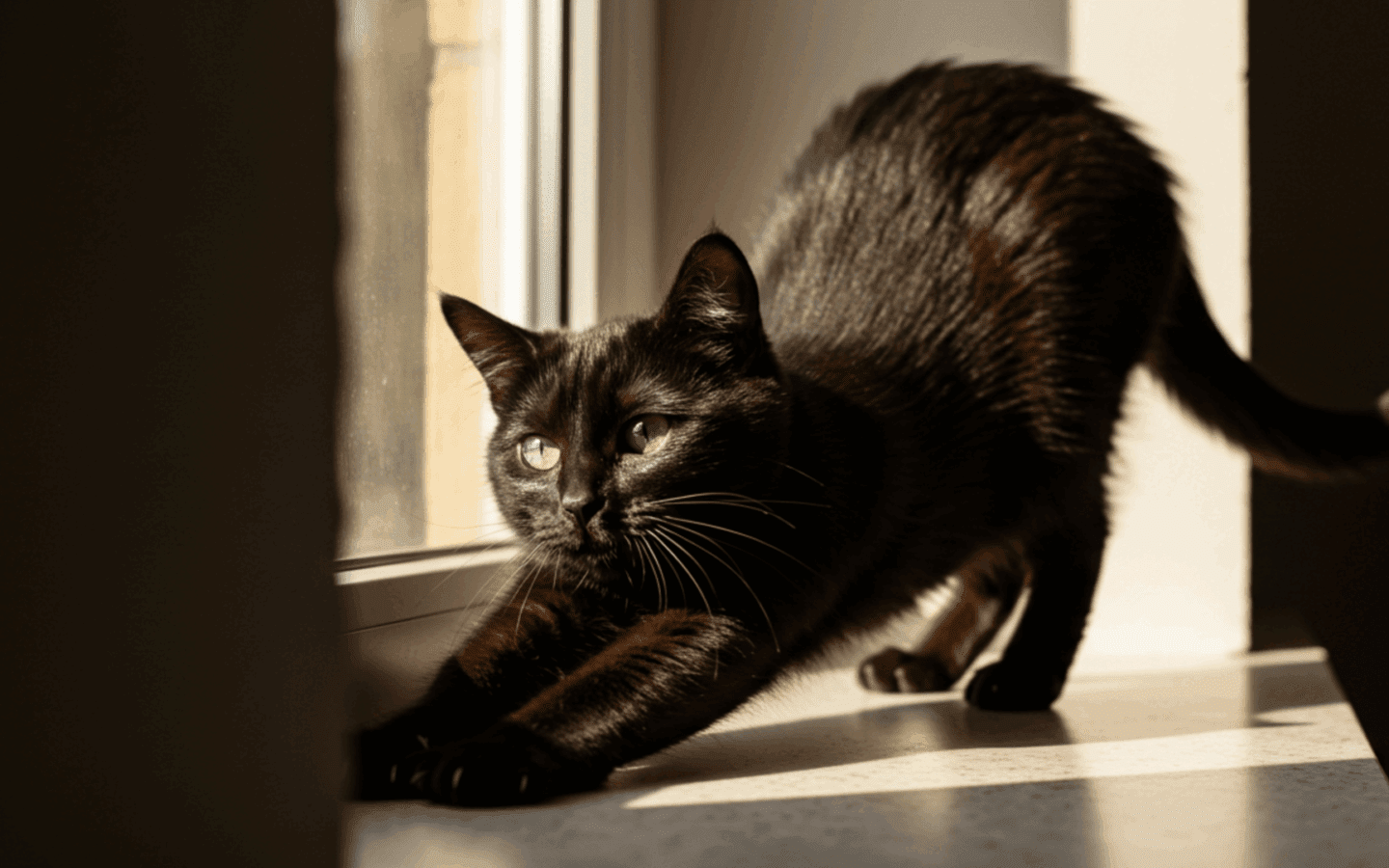
Every year, National Black Cat Day reminds us to celebrate some of the most overlooked pets in shelters. Despite their affectionate, loyal personalities, black cats are often passed over for adoption because of centuries-old superstition rather than anything to do with temperament. American Humane Society marks the day by separating fact from folklore and encouraging pet lovers to give black cats a closer look. They are just as playful, loyal and full of personality as any other cat.
Why do black cats face adoption bias?
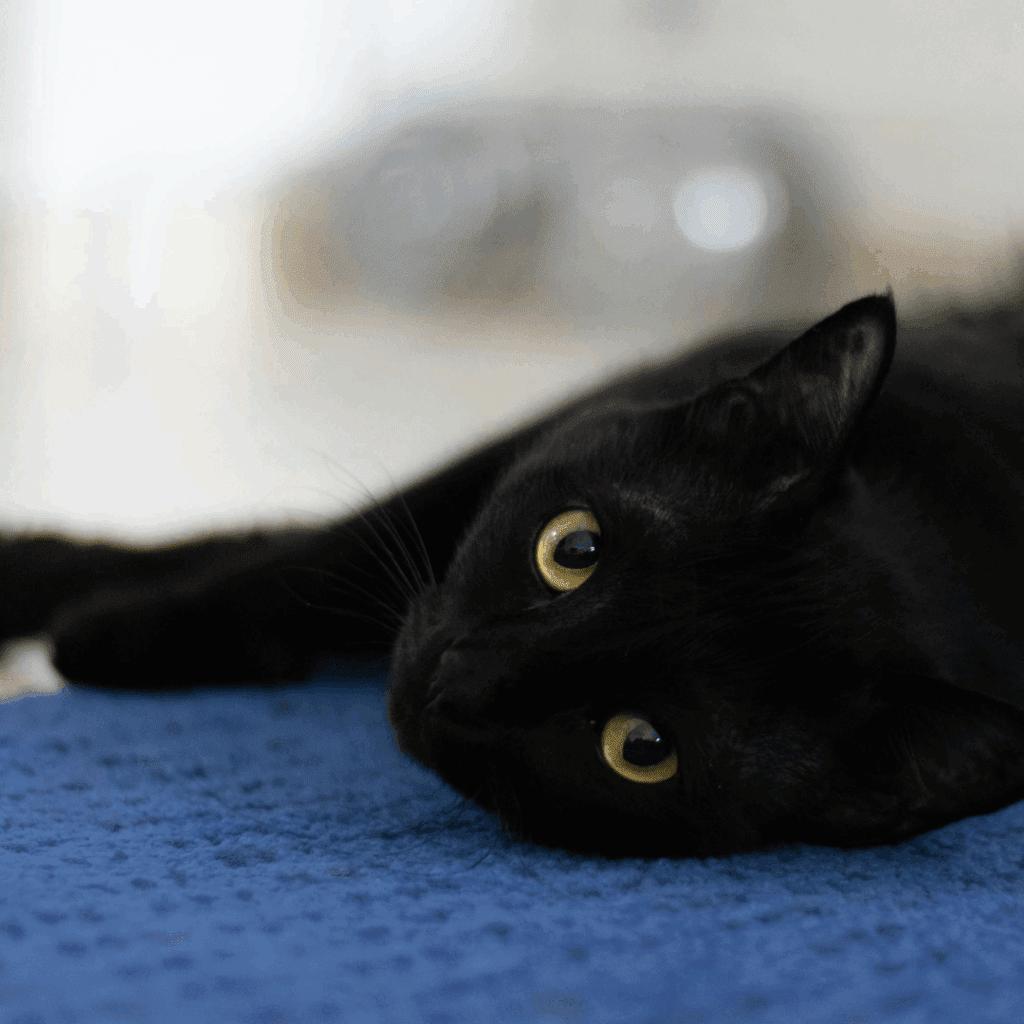
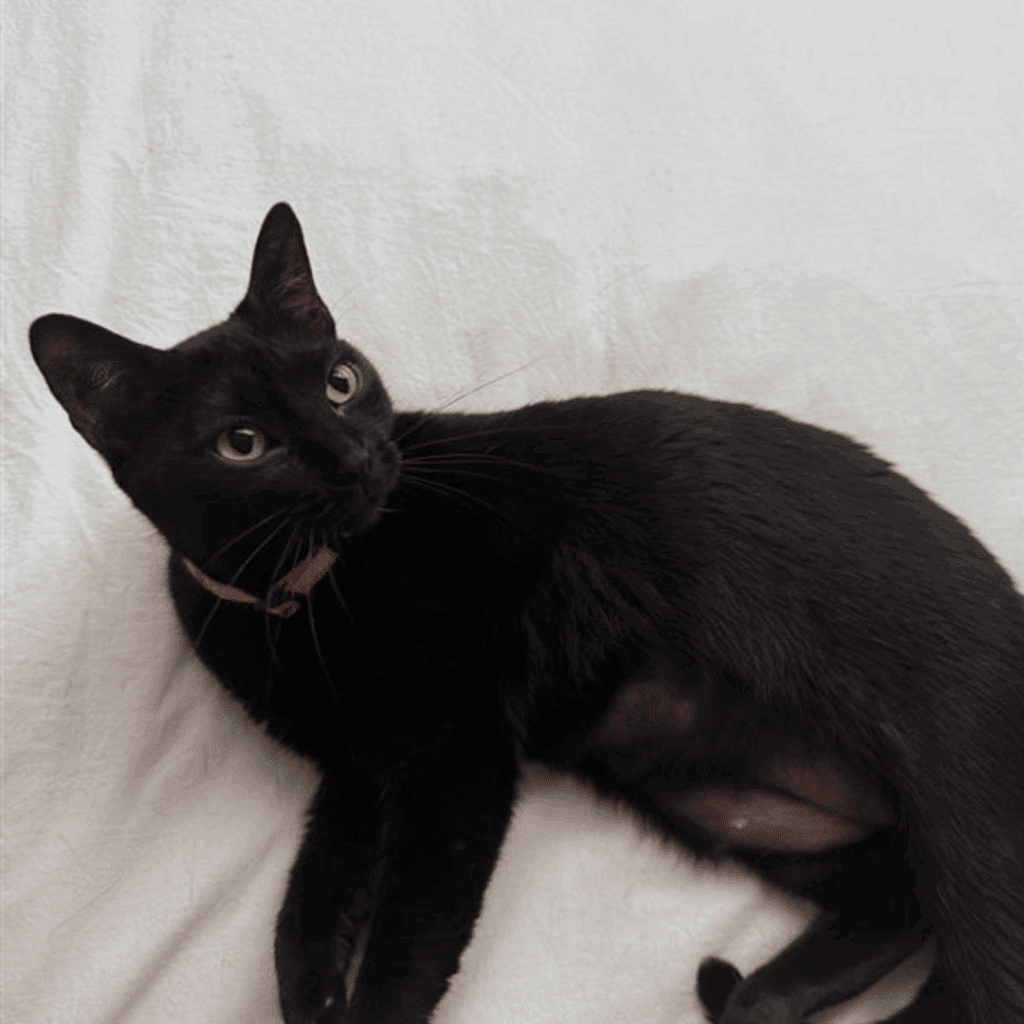
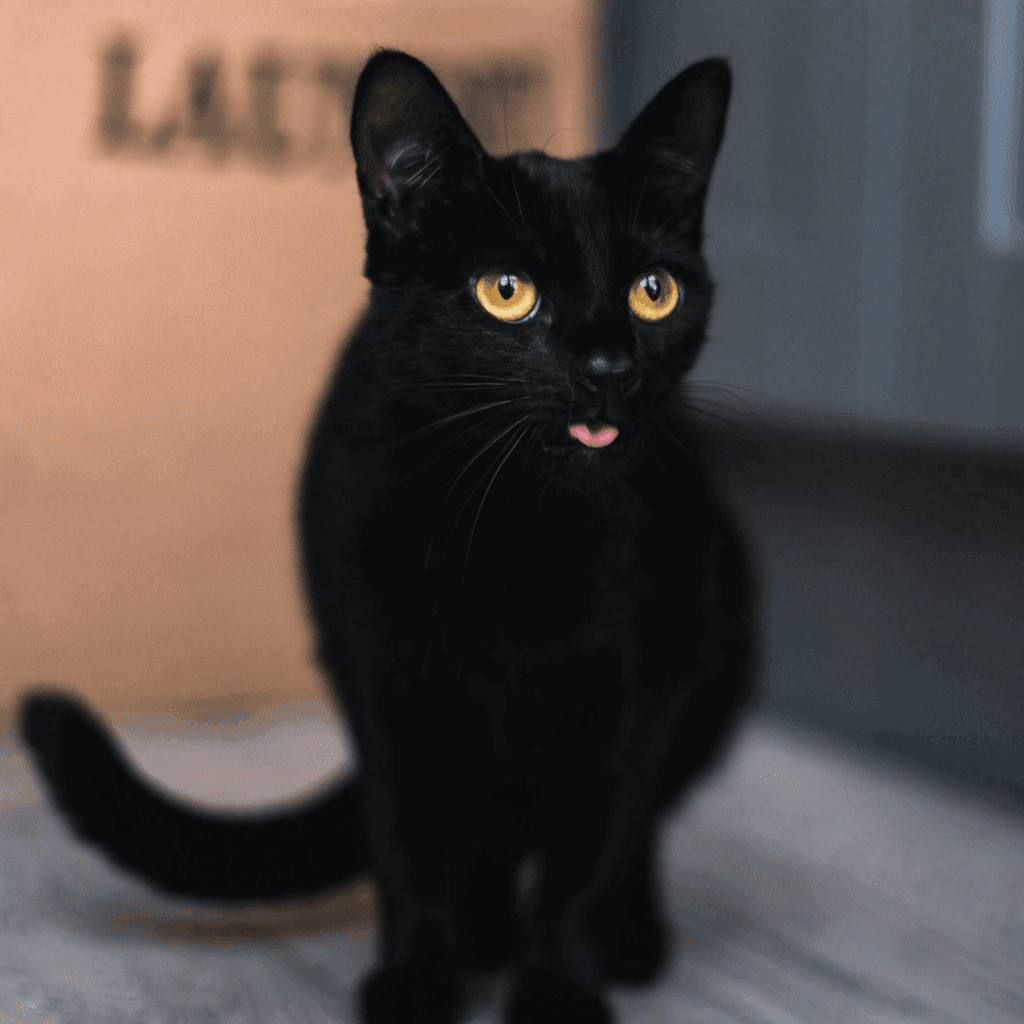
Many shelters report that black cats are among the last adopted and often stay in care the longest, a pattern tied to superstitions that unfairly link them to bad luck. Long before that stigma took hold, many cultures viewed black cats as symbols of prosperity and protection. Today, the outdated myth can still slow down adoption for cats who are every bit as loving as their lighter-colored counterparts.
What makes black cats worth celebrating?
Here are a few reasons to celebrate black cats every day:
- They have incredible personalities. Many are playful, curious and affectionate companions.
- They need homes the most. Shelters report they’re often among the last chosen and the first overlooked, a pattern tied to superstition rather than personality.
- They bring joy and comfort. Studies show that owning a cat can lower stress and improve emotional well-being.
- They photograph beautifully. Their glossy coats and bright eyes create striking contrast in photos.
How You Help Black Cats Find Homes
If you want to make a difference this National Black Cat Day, here are simple ways to help:
- Adopt or foster a black cat from your local shelter or rescue organization. [Link: adoption resources page]
- Share adoption profiles of black cats online to help them find loving homes.
- Educate others about the myths that hurt adoption rates.
Frequently Asked Questions About Black Cats
National Black Cat Day is observed annually on November 17 to celebrate black cats and confront the superstitions that have historically made them harder to place in loving homes.
Many shelters report that black cats wait longer for adoption than lighter-colored cats, a trend linked to superstitions that unfairly associate them with bad luck. The bias is rooted in folklore, not behavior. Black cats are just as affectionate, playful and loyal as any other cat.
No. While some cultures came to associate black cats with bad luck, many ancient cultures, including ancient Egypt, viewed them as symbols of prosperity and protection. The negative superstition is a cultural pattern, not a universal belief.
The most direct way to help is to adopt or foster a black cat from a local shelter or rescue organization. Sharing adoption profiles and correcting black cat myths when you hear them also helps shift public perception.
No. A cat’s temperament is shaped by genetics, socialization and individual personality, not coat color. Black cats are just as likely to be playful, affectionate or independent as cats of any other color.
A Brighter Future for Every Cat
At American Humane Society, we celebrate all animals and the people who love them. By opening our hearts and homes to black cats, we replace fear with understanding and superstition with compassion. Together, we can build a world where every animal, no matter their color, has the chance to thrive in a safe and loving home.